November, 2024
Fire safety is a fundamental responsibility for landlords and property managers. Here is a comprehensive guide to help you comply with standards in private rented housing and HMOs.
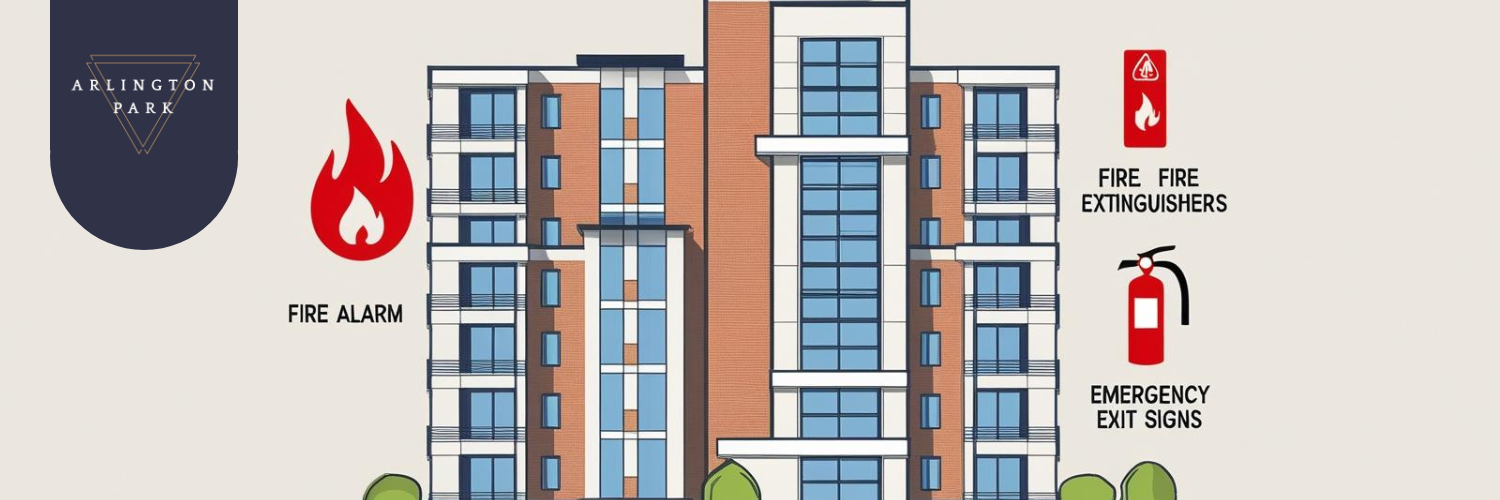
Norwich City Council has developed comprehensive guidelines to help landlords comply with fire safety standards in private rented housing, with a particular focus on Houses in Multiple Occupation (HMOs). Ensuring your property meets these standards is critical for the safety of your tenants and your legal compliance as a landlord.
Fire safety involves three critical aspects:
Different property types require varying levels of precautions, guided by a thorough risk assessment.
For properties with shared kitchens and no more than six occupants, the minimum requirements are:
Must comply with the Fire Safety Risk Assessment: Sleeping Accommodation guide.
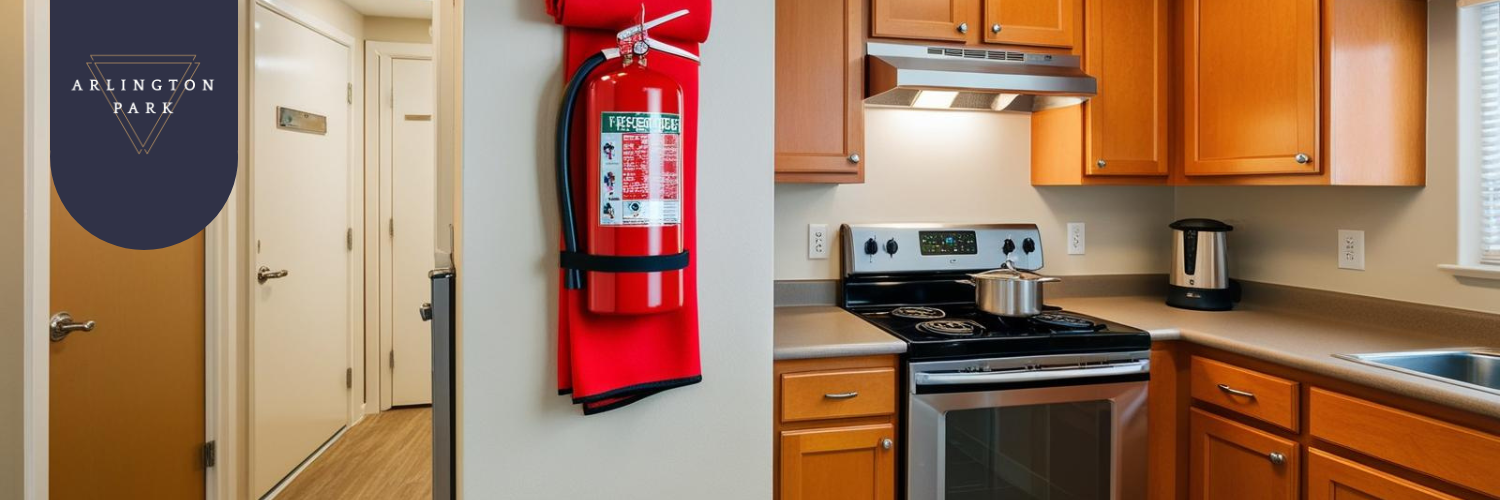
Grade D fire detection systems require regular testing to ensure effectiveness. Monthly testing involves the following:
To comply with regulations, landlords must keep a detailed log of all tests and maintenance activities. This log should include the date, the name of the tester, and any actions taken. A suitable log book can be purchased here: HMO Fire Safety Log Book on Amazon.
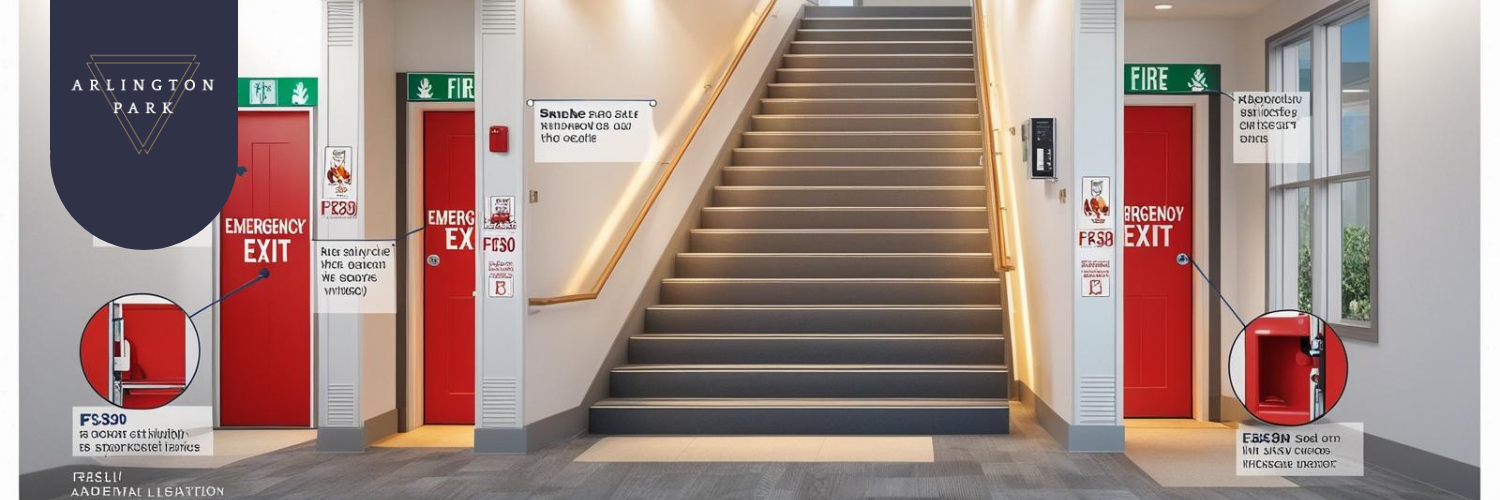
As legislation evolves, landlords and property managers must stay updated with current standards. Fire safety is not just about meeting legal requirements, it is about protecting lives and property.
For further guidance, visit the Norwich City Council website.
Managing HMO regulations and fire safety standards can be complex. Let our expert property management team at Arlington Park handle compliance for your portfolio.
Contact Our Lettings Team